
Exploring the Versatile Applications of FRP Reducer Tubes in the Construction Industry
Exploring the Versatile Applications of FRP Reducer Tubes in the Construction Industry The construction industry is undergoing a transformative phase, driven by the need for materials that offer durability, efficiency, and sustainability. One such innovation gaining traction is the **Fiber Reinforced Plastic (FRP) reducer tube**. These specialized components are not just valuable; they are revolut
Release time:
2025-09-22
Source:
Exploring the Versatile Applications of FRP Reducer Tubes in the Construction Industry
The construction industry is undergoing a transformative phase, driven by the need for materials that offer durability, efficiency, and sustainability. One such innovation gaining traction is the **Fiber Reinforced Plastic (FRP) reducer tube**. These specialized components are not just valuable; they are revolutionizing how we approach construction projects. This article delves into the various applications of **FRP reducer tubes** in the construction industry, highlighting their numerous advantages and exploring the future of building materials.
Table of Contents
- 1. Understanding FRP Reducer Tubes
- 2. Benefits of FRP Materials in Construction
- 3. Applications in Piping Systems
- 4. Role in Structural Design
- 5. Corrosion Resistance Advantage
- 6. Energy Efficiency and Insulation
- 7. Future Trends in FRP Usage
- 8. Frequently Asked Questions
1. Understanding FRP Reducer Tubes
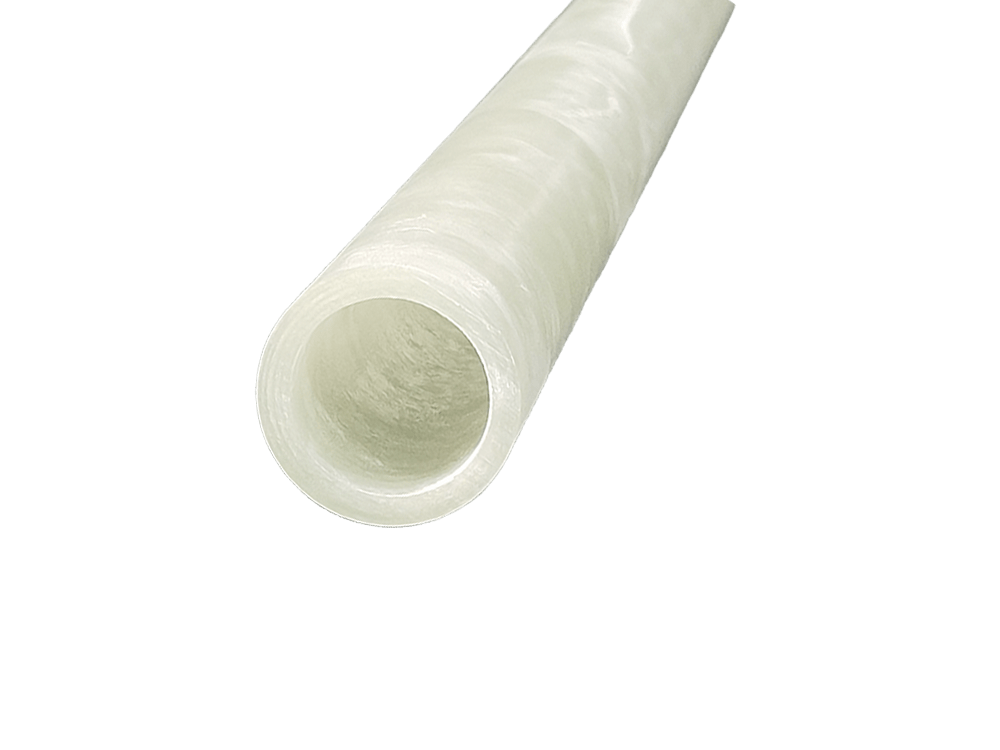
FRP reducer tubes are tapered fittings that connect pipes of different diameters, allowing for a smooth transition in fluid flow. Made from a composite material, these tubes combine high strength with low weight, making them an ideal choice for various construction applications. The versatility of FRP materials comes from their ability to withstand harsh environmental conditions, which is essential in the construction industry.
1.1 Composition and Properties
The primary components of FRP reducer tubes are fiberglass and a polymer resin. This combination provides excellent mechanical properties, including high tensile strength and resistance to corrosive elements. Additionally, FRP reducer tubes are lightweight, making them easy to handle and install compared to traditional metal reducers.
2. Benefits of FRP Materials in Construction
The adoption of FRP reducer tubes brings several benefits to the construction industry, significantly enhancing project outcomes. Here are some key advantages:
2.1 Durability and Longevity
One of the most significant benefits of FRP materials is their exceptional durability. FRP reducer tubes resist impact, abrasion, and wear, ensuring a long service life even in demanding environments. This longevity translates to reduced maintenance costs and fewer replacements, making them a cost-effective choice over time.
2.2 Lightweight Design
The lightweight nature of FRP reducer tubes simplifies handling and transportation. Construction crews can easily maneuver these components, which can significantly reduce labor costs and project timelines. Additionally, lighter materials can lower the overall load on structures, leading to more sustainable design practices.
2.3 Design Flexibility
FRP materials allow for greater design flexibility, enabling engineers and architects to create innovative structures that were previously unattainable with traditional materials. FRP reducer tubes can be manufactured in various shapes and sizes, catering to specific project requirements.
3. Applications in Piping Systems
FRP reducer tubes play a vital role in modern piping systems across various applications. Their unique properties make them suitable for numerous scenarios.
3.1 Industrial Water Systems
In industrial settings, FRP reducer tubes are commonly used in water treatment facilities. Their resistance to corrosion from chemicals ensures the longevity of piping systems, which are often exposed to harsh conditions.
3.2 Oil and Gas Industry
The oil and gas sector benefits from the use of FRP reducer tubes due to their lightweight and strong properties, which allow for efficient fluid transport. They are used in various applications, including pipelines and offshore platforms, where traditional materials may fail.
3.3 HVAC Systems
In heating, ventilation, and air conditioning (HVAC) systems, FRP reducer tubes are crucial for connecting ducts of varying sizes. Their insulation properties help maintain temperature and energy efficiency, reducing operational costs.
4. Role in Structural Design
Beyond piping, FRP reducer tubes contribute significantly to structural design in construction projects.
4.1 Reinforcement in Composites
FRP reducer tubes are often used as reinforcement in composite materials, providing additional strength and stability to structures. This application is particularly beneficial in bridge construction and high-rise buildings, where load-bearing capabilities are critical.
4.2 Seismic Resistance
Due to their lightweight and flexible nature, FRP reducer tubes can enhance the seismic resistance of buildings. They absorb vibrations during earthquakes, helping to protect structures from damage.
5. Corrosion Resistance Advantage
Corrosion is a significant concern in construction, especially in environments exposed to moisture, chemicals, or saltwater. FRP reducer tubes' unique composition makes them inherently resistant to corrosion.
5.1 Longevity in Harsh Environments
In applications where traditional metals would corrode and degrade, FRP reducer tubes provide a long-lasting solution. They are ideal for marine construction, chemical processing plants, and wastewater treatment facilities, where corrosion resistance is paramount.
5.2 Reduced Maintenance Costs
The durability of FRP materials leads to lower maintenance requirements. Construction companies can minimize repair and replacement costs, freeing up resources for other project areas.
6. Energy Efficiency and Insulation
Energy efficiency has become a primary focus in modern construction, and FRP reducer tubes contribute significantly to this goal.
6.1 Thermal Insulation Properties
FRP reducer tubes offer excellent thermal insulation, preventing heat loss and improving energy efficiency in HVAC systems. This characteristic is essential for maintaining comfortable indoor environments while minimizing energy consumption.
6.2 Sustainable Building Practices
By integrating FRP materials, construction projects can embrace sustainable practices. The energy savings resulting from improved insulation lead to lower carbon footprints and reduced operational costs over time.
7. Future Trends in FRP Usage
The future of FRP reducer tubes looks promising as the construction industry continues to evolve. Several trends are shaping the future of FRP usage:
7.1 Increased Adoption of Smart Materials
With the rise of smart buildings, FRP materials will likely incorporate sensors and other technologies to monitor structural health and performance. This integration will enhance safety and efficiency in construction.
7.2 Growth in Sustainability Initiatives
As sustainability becomes a priority, the demand for eco-friendly materials like FRP will rise. Construction companies will increasingly seek out innovative materials that align with green building practices.
8. Frequently Asked Questions
8.1 What are FRP reducer tubes made of?
FRP reducer tubes are primarily composed of fiberglass and polymer resin, providing strength and resistance to environmental factors.
8.2 Where are FRP reducer tubes commonly used?
They are commonly used in industrial water systems, the oil and gas industry, HVAC systems, and as reinforcements in structural designs.
8.3 What are the benefits of using FRP materials?
Benefits include durability, lightweight design, corrosion resistance, design flexibility, and energy efficiency.
8.4 How do FRP reducer tubes enhance energy efficiency?
Their excellent thermal insulation properties help maintain temperature in HVAC systems, reducing energy consumption.
8.5 What is the future of FRP materials in construction?
The future includes increased adoption of smart technologies and a focus on sustainability in construction practices.
Conclusion
In summary, **FRP reducer tubes** play a crucial role in modern construction, offering a multitude of benefits that enhance project efficiency and sustainability. Their versatility in various applications—from piping systems to structural design—makes them an invaluable resource in the industry. As the demand for innovative materials continues to grow, FRP reducer tubes will undoubtedly shape the future of construction, paving the way for more resilient and efficient building practices. Embracing these advanced materials not only improves project outcomes but also contributes to a more sustainable future for the construction industry.
FRP Reducer Tube with Anti-Corrosion Coating
Related News


- ABOUT US
- PRODUCT
- CONTACT
Building H1, No. 333 Yingbin Road, National Aviation High tech Industrial Base, Xi'an City, Shaanxi Province