
Top Advantages of Using FRP Reducer Tubes in Building Materials
Introduction to FRP Reducer Tubes in Construction Fiber Reinforced Polymer (FRP) reducer tubes have emerged as a revolutionary choice in the building materials industry. These innovative components are designed to address various challenges in construction, particularly in piping systems. In this article, we will delve into the **top advantages** of using FRP reducer tubes in building materials.
Release time:
2025-10-19
Source:
Introduction to FRP Reducer Tubes in Construction
Fiber Reinforced Polymer (FRP) reducer tubes have emerged as a revolutionary choice in the building materials industry. These innovative components are designed to address various challenges in construction, particularly in piping systems. In this article, we will delve into the **top advantages** of using FRP reducer tubes in building materials. From their **superior durability** to their **corrosion resistance**, FRP reducer tubes are rapidly gaining popularity among builders and architects alike.
What Are FRP Reducer Tubes?
FRP reducer tubes are specialized piping solutions that facilitate the transition between different pipe sizes. They are constructed using a composite material that combines polymers with reinforcing fibers, typically glass or carbon. This unique structure gives FRP reducer tubes their distinctive properties, making them a preferred choice in diverse building applications.
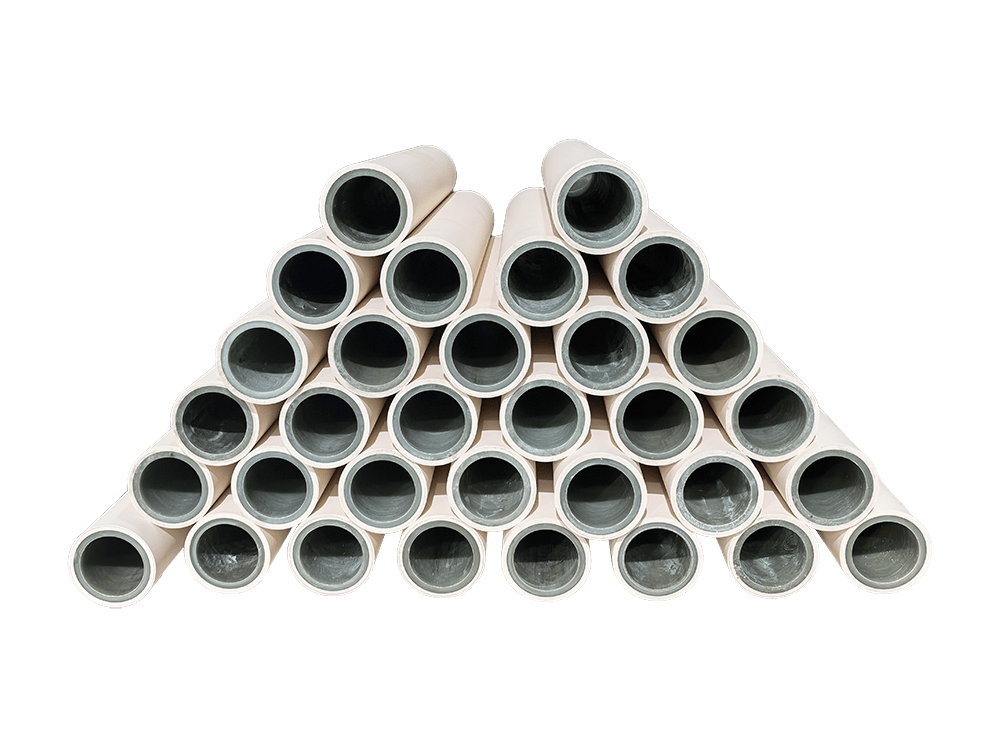
The Key Benefits of FRP Reducer Tubes
1. Exceptional Durability
One of the standout features of FRP reducer tubes is their **exceptional durability**. Unlike traditional materials such as metal or PVC, FRP is designed to withstand extreme conditions, including high temperatures and pressures. This durability not only ensures a longer lifespan for the tubes but also reduces the need for frequent replacements, ultimately saving costs over time.
2. Lightweight Properties
Another significant advantage of FRP reducer tubes is their **lightweight nature**. Weighing significantly less than metal alternatives, FRP tubes are easier to handle and install. This lightweight characteristic can lead to reduced labor costs and improved project timelines, making FRP an attractive option for construction professionals.
3. Corrosion Resistance
Corrosion is a common issue in many building materials, particularly in environments exposed to moisture and chemicals. FRP reducer tubes boast **excellent corrosion resistance**, allowing them to maintain structural integrity even in harsh environments. This property makes them ideal for applications in chemical processing, wastewater management, and other corrosive settings.
4. Versatility in Applications
The versatility of FRP reducer tubes is another compelling advantage. They can be used in a wide range of applications, including water supply systems, HVAC installations, and industrial processes. Their ability to adapt to various sizes and configurations makes them suitable for both residential and commercial projects.
5. Cost-Effectiveness
While the initial investment in FRP reducer tubes may be higher than traditional materials, their long-term benefits outweigh the costs. The combination of durability, reduced maintenance requirements, and lightweight properties leads to significant savings over time. Moreover, the lower installation costs due to their ease of handling further enhance their cost-effectiveness.
6. Enhanced Aesthetic Appeal
In addition to their functional advantages, FRP reducer tubes can also contribute to the **aesthetic appeal** of building projects. Available in various colors and finishes, they can blend seamlessly with other design elements, enhancing the overall look of a construction project.
7. Environmental Benefits
As the construction industry increasingly emphasizes sustainability, FRP materials stand out due to their **environmental benefits**. The manufacturing process of FRP tubes generally has a lower carbon footprint compared to traditional materials. Furthermore, their longevity reduces the need for frequent replacements, ultimately leading to less waste.
8. Ease of Installation and Maintenance
Finally, FRP reducer tubes offer significant advantages in terms of installation and maintenance. Their lightweight nature simplifies the installation process, enabling quicker project completion. Additionally, their resistance to corrosion and degradation means that they require minimal maintenance, allowing construction professionals to focus on other critical aspects of their projects.
Applications of FRP Reducer Tubes in Building Materials
FRP reducer tubes are employed in various sectors, demonstrating their versatility and effectiveness. Below are some common applications.
1. Water Supply Systems
In municipal and industrial water supply systems, FRP reducer tubes are frequently used to connect different pipe sizes. Their corrosion-resistant properties make them ideal for transporting potable water, ensuring safety and longevity.
2. Wastewater Management
The wastewater treatment industry benefits significantly from FRP reducer tubes. They resist the corrosive elements often found in wastewater, ensuring reliable operation over extended periods.
3. HVAC Systems
In heating, ventilation, and air conditioning systems, FRP reducer tubes facilitate transitions between duct sizes, promoting efficient airflow. Their lightweight design allows for easier installation in complex systems.
4. Chemical Processing Facilities
Due to their excellent resistance to corrosive chemicals, FRP reducer tubes are commonly used in chemical processing facilities. They ensure safe transportation of hazardous materials without risking contamination or structural failure.
FAQs about FRP Reducer Tubes
1. How long do FRP reducer tubes last?
FRP reducer tubes are designed to last for decades, often exceeding 30 years, depending on environmental conditions and usage.
2. Are FRP reducer tubes suitable for outdoor use?
Yes, FRP reducer tubes are suitable for outdoor use, thanks to their UV resistance and ability to withstand various weather conditions.
3. Can FRP reducer tubes be recycled?
While FRP materials are not as easily recyclable as some traditional materials, advancements in recycling technology are making it feasible to recycle FRP products.
4. What sizes are available for FRP reducer tubes?
FRP reducer tubes come in various sizes to accommodate different piping needs. They can be custom-made to fit specific requirements.
5. How do FRP reducer tubes compare to metal pipes?
FRP reducer tubes offer several advantages over metal pipes, including lower weight, better corrosion resistance, and reduced maintenance needs, making them a preferred choice in many applications.
Conclusion
In summary, the advantages of using Fiber Reinforced Polymer (FRP) reducer tubes in building materials are numerous and significant. Their exceptional durability, lightweight properties, and corrosion resistance make them a superior choice for a variety of construction and piping applications. As we move towards more sustainable building practices, FRP reducer tubes not only offer practical benefits but also contribute to environmental conservation. With their versatility and cost-effectiveness, it is no wonder that FRP reducer tubes have become an essential component in modern construction. Embracing this innovative material can lead to enhanced project outcomes and ultimately contribute to the advancement of the building materials industry.
FRP Reducer Tube for Pipeline Systems
Related News


- ABOUT US
- PRODUCT
- CONTACT
Building H1, No. 333 Yingbin Road, National Aviation High tech Industrial Base, Xi'an City, Shaanxi Province